
COMMERCIAL REAL ESTATE MARKETING
10 principles for using commercial real estate media to build visibility, understanding and confidence.
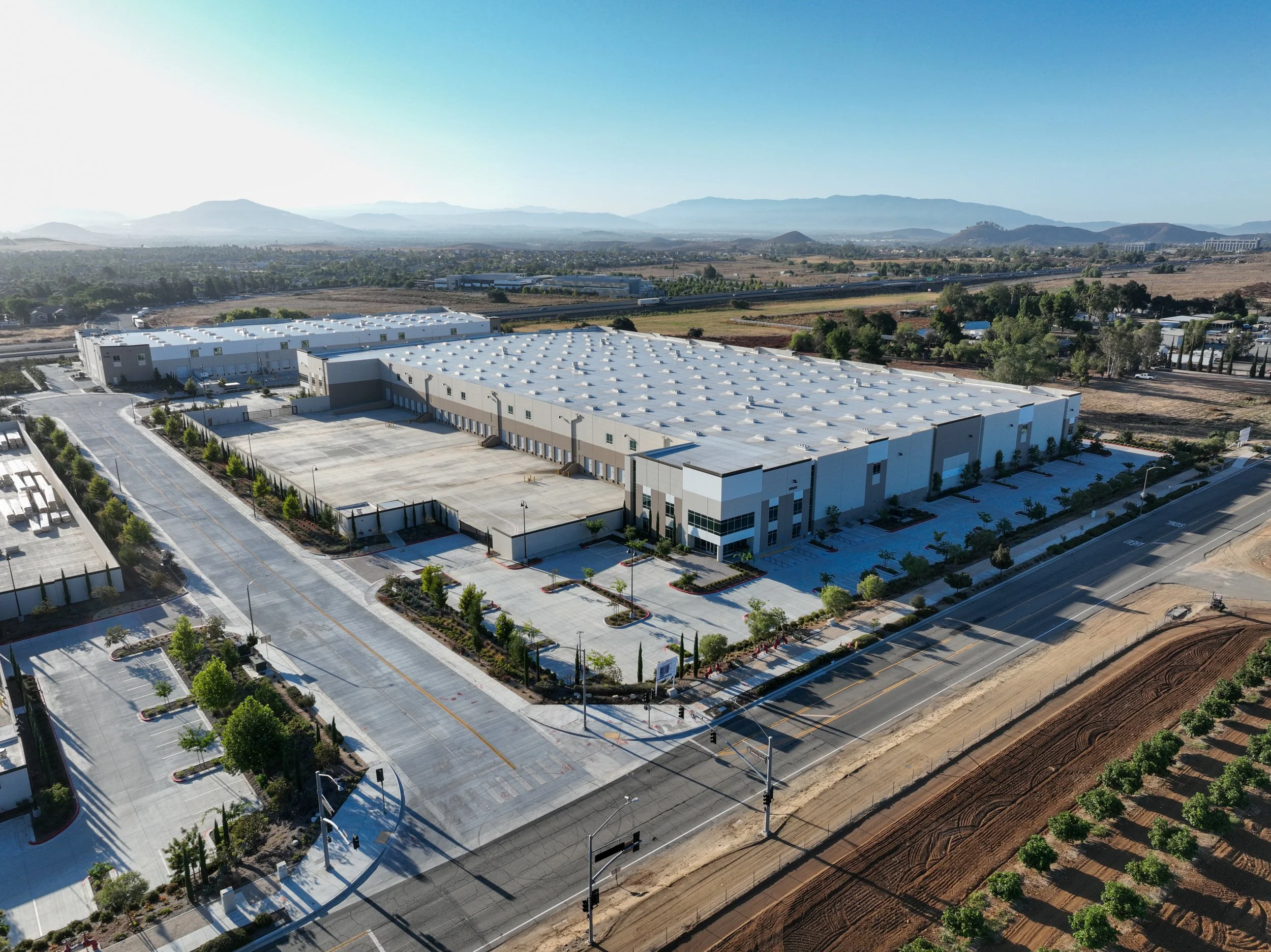
Your Listing Has a First Showing Before Anyone Walks Through the Door
Before a buyer, tenant, investor or decision-maker ever walks through the door, they may already have formed an opinion of the property. The listing is where that first impression happens.
Visibility gets attention.
Rich media creates understanding.
A strong presentation builds confidence.
And confidence moves opportunities forward.
1. The First Showing Happens Online
Long before a prospective buyer, tenant, investor or decision-maker schedules a tour, they may encounter the property through a listing, search result, broker website, offering memorandum, email or social post.
That digital presentation has a job to do.
It needs to make the property visible. It needs to communicate what the property is, where it is and why it may be worth a closer look. And it needs to give the prospect enough information and confidence to take the next step.
In other words, the first showing may happen long before anyone sets foot on the property.
WHAT THE INDUSTRY SAYS
Commercial real estate prospects increasingly evaluate properties online before deciding whether a property warrants a closer look. Major commercial real estate platforms and brokerages emphasize the importance of strong property imagery, detailed information and digital presentation in helping prospects discover and evaluate opportunities.
The takeaway: Your online listing isn't simply a place to display the property. It can be the prospect's first showing.
2. The First Image Has a Job to Do
In a crowded commercial real estate market, getting someone to stop and look is the first challenge.
The primary image is often the first piece of visual information a prospect encounters. It has only a moment to communicate that there is something here worth exploring.
That doesn't necessarily mean choosing the most dramatic photograph in the entire shoot. It means choosing the image that best introduces the property and gives the viewer a reason to keep going.
A strong primary image should create curiosity without creating confusion.
The goal isn't simply to make the property look good.
The goal is to make someone
want to see what comes next.
WHAT THE INDUSTRY SAYS
In a crowded listing environment, visual presentation can determine whether a prospect gives a property a closer look. Industry guidance consistently emphasizes that listing photography is one of the first—and most influential—pieces of information prospects encounter online. Strong imagery helps a property stand out, communicate its strengths quickly and encourage further engagement.
The takeaway: The first image doesn't need to show everything. It needs to make the prospect want to see what comes next.
Sources: Homes.com • CommercialCafe • CBRE
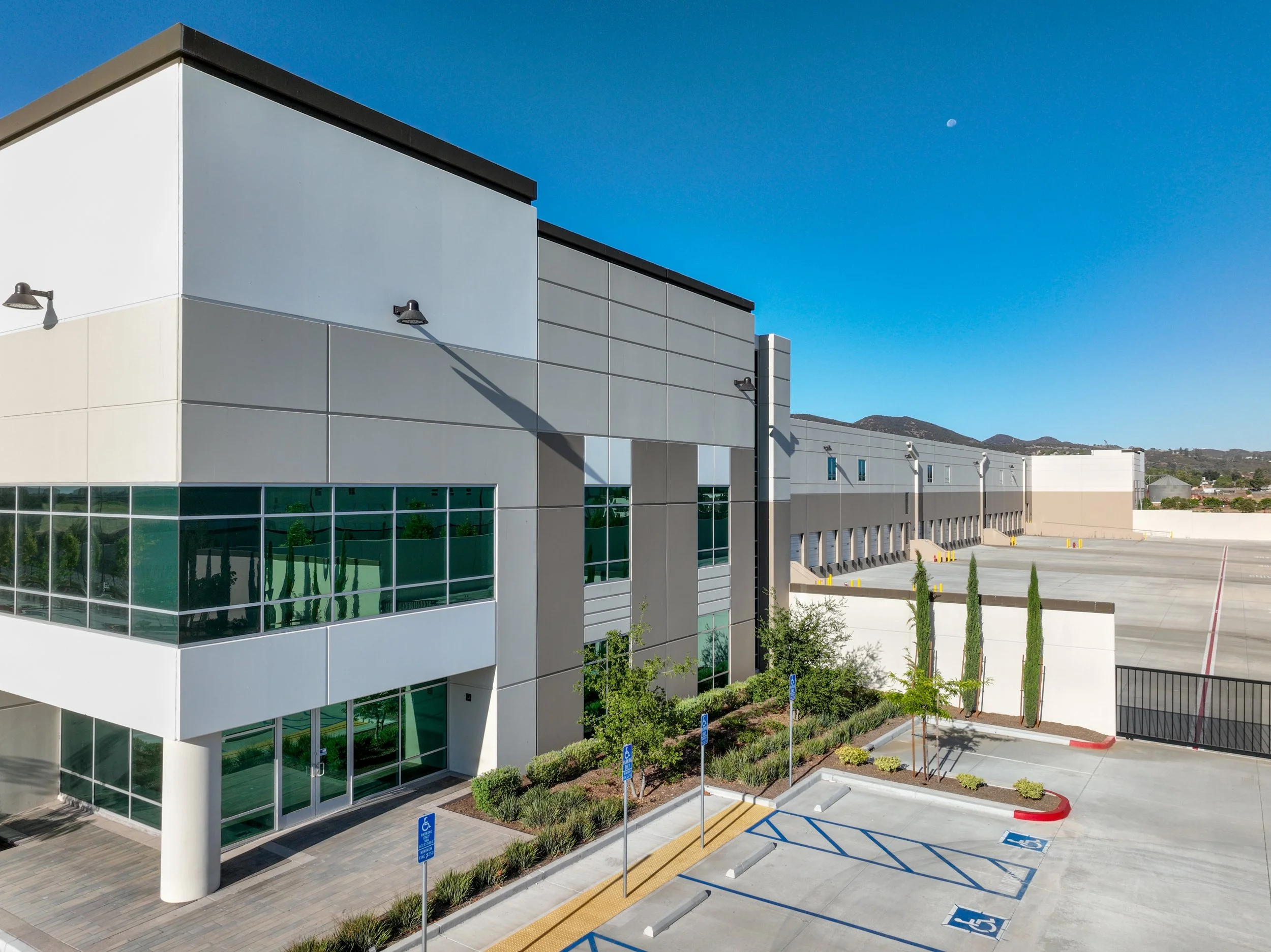
3. Show the Property — Not Just the Building
A commercial property is more than its walls, windows and loading doors.
Prospects are evaluating the entire opportunity: the site, access, parking, circulation, landscaping, neighboring properties, visibility and the surrounding environment.
That's one reason commercial real estate photography needs to go beyond a collection of attractive building shots. The media should help someone understand how the property actually exists in the world.
A well-composed exterior photograph can begin that process. Aerial imagery can take it further by revealing relationships that aren't obvious from the ground.
The goal is not just to show the building.
It's to help the viewer understand the property.
WHAT THE INDUSTRY SAYS
Commercial real estate marketing increasingly treats aerial imagery as more than a dramatic view of the building. Aerial photography can help prospects understand a property's site, access, parking, surrounding development and relationship to nearby roads and uses—information that may be difficult to communicate from ground-level photographs alone. Industry guidance also emphasizes the importance of presenting the property within its broader market and location context.
The takeaway: A commercial property doesn't exist in isolation. The best marketing helps the prospect understand the opportunity around the building, too.
Sources: CBRE • CREBuilder • RE-SEARCH
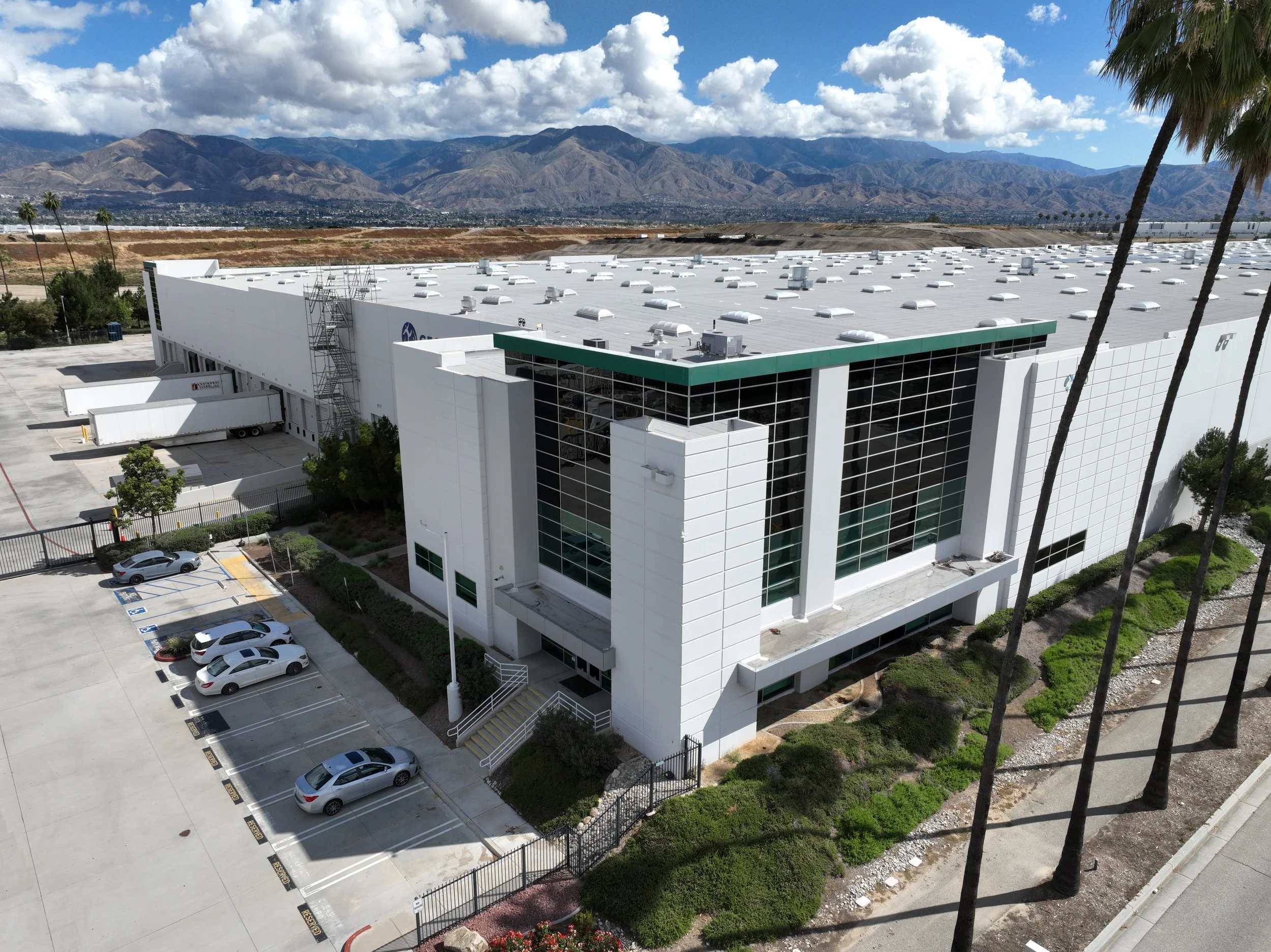
4. Context Changes What the Viewer Understands
A building doesn't exist in isolation.
Where it sits, how it connects to surrounding roads, what is nearby and how the site relates to the larger area can all influence how a prospect evaluates the opportunity.
That's where aerial imagery becomes especially valuable. A ground-level photograph can show the property. An aerial perspective can show the property's relationship to everything around it.
For commercial real estate, that context can matter. Access points, road frontage, neighboring development, parking, surrounding land uses and proximity to major transportation routes can all become part of the story a prospect is trying to understand.
Sometimes the most important thing an aerial photograph shows isn't the building. It's everything around it.
WHAT THE INDUSTRY SAYS
Location and surrounding context are important parts of commercial real estate property marketing. Industry marketing tools and broker guidance routinely incorporate aerial imagery, location maps and surrounding-area information to help prospects understand a property's accessibility, neighboring development and relationship to major roads and transportation routes. CREBuilder, for example, specifically identifies highway access, surrounding development, area density and competitive context as information that aerial maps can communicate at a glance. CBRE likewise emphasizes understanding a property's location, audience and market context as part of effective property marketing.
The takeaway: Aerial photography isn't just about getting a higher view of the building. It can help a prospect understand where the property sits, how it connects to the surrounding area, and why that location matters.
Sources: CREBuilder • CBRE • RE-SEARCH
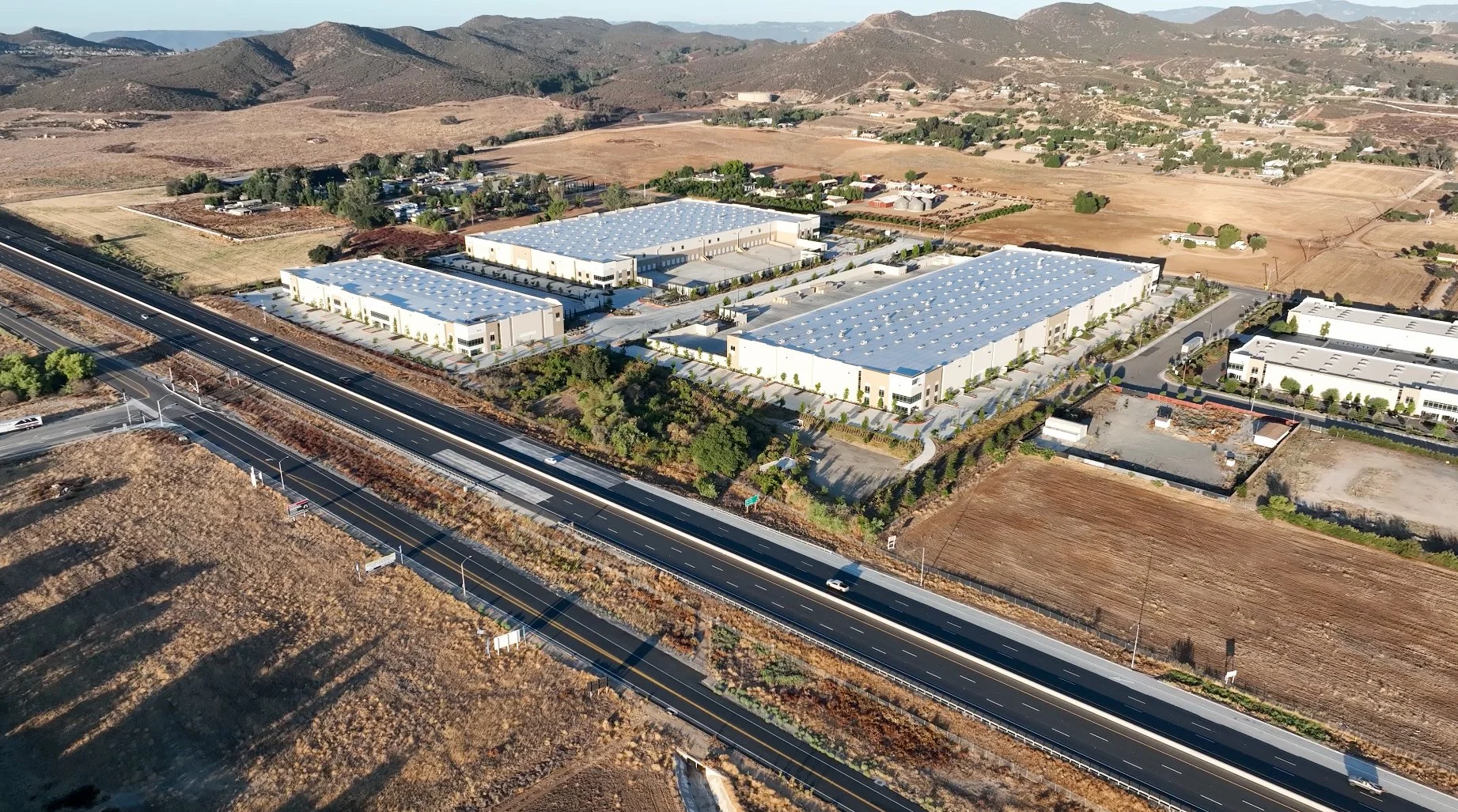
5. Good Commercial Real Estate Media Builds a Complete Picture
A strong commercial property presentation rarely depends on a single photograph.
Different images answer different questions.
An exterior photograph can establish the architecture, condition and presence of the building. Interior photography can show how the space functions and what a prospective occupant can expect to find inside. Aerial imagery can reveal the property's scale, access and relationship to its surroundings.
Video can add another layer by showing movement, flow and experience.
Together, those pieces create something more useful than a collection of attractive images.
They create a visual understanding of the property.
A prospective buyer, tenant or investor should be able to move through the presentation and gradually answer the questions that matter:
What is it? Where is it? How does it function?
What surrounds it? And why should I take a closer look?
The strongest commercial real estate media doesn't simply document the property.
It helps the viewer understand the opportunity.
WHAT THE INDUSTRY SAYS
Commercial real estate marketing is increasingly built around a combination of visual and digital tools, rather than a single type of property image. Major commercial real estate firms use combinations of professional photography, aerial imagery, video, virtual tours, property websites and marketing materials to present different aspects of a property and reach prospects through multiple channels. Colliers, for example, describes a property-marketing approach that combines quality photography, drone imagery, video and 3D/virtual tours. CBRE similarly incorporates photography, aerial imagery, video, property websites, brochures and digital campaigns into its marketing programs.
The takeaway: No single image has to tell the entire story. The strongest commercial property presentations use different media to answer different questions — creating a more complete picture of the opportunity.
6. And That's Where the Right Media Matters
Not every property needs the same combination of photography, aerial imagery and video.
The right approach depends on the property, its location, its scale and what the marketing needs to communicate.
A large distribution facility may benefit from aerial imagery that demonstrates access, scale and proximity to transportation routes.
An office property may need photography that communicates the quality and character of the workplace.
A development site may need aerial views that help a prospective buyer understand the land, surrounding growth and potential.
The media should serve the property — not the other way around.
That's why commercial real estate photography should begin with a question:
What does the prospective viewer need to understand?
Once that is clear, the photography becomes more purposeful.
And the marketing becomes more effective.
The right media isn't about producing more.
It's about communicating what matters.
WHAT THE INDUSTRY SAYS
Commercial real estate marketing is not a one-size-fits-all process. The property type, audience, location and business objective can influence how a property is positioned and which marketing tools are most useful. CBRE, for example, describes property marketing as increasingly targeted to specific audiences and market contexts, while JLL's marketing work emphasizes developing strategy and messaging around the particular opportunity.
The takeaway: The goal isn't to produce the most media. It's to produce the media that best communicates what matters about the property.
7. Video Shows What a Still Image Can't
A photograph can show a property at a particular moment. Video can show how the property is experienced.
Movement adds information that a still image cannot fully communicate.
A video can show the approach to a property, the relationship between buildings, the flow through a site, the scale of a facility and the character of the surrounding environment.
For commercial real estate, that can be particularly useful when distance, scale or layout are important to understanding the opportunity.
A prospective tenant or buyer may not simply need to see what a property looks like. They may need to understand how it connects, how it functions and what it feels like to move through it.
That's where video becomes more than another attractive marketing asset.
It adds movement, sequence and experience to the story.
A photograph shows the moment.
Video shows the experience.
WHAT THE INDUSTRY SAYS
Commercial real estate firms increasingly incorporate video into property marketing because it can communicate the property, its features and its surrounding environment in a more dynamic format. Colliers, for example, describes personalized property videos as a way to give prospective buyers a better understanding and feel for a property and its surrounding area. Its marketing teams also use promotional and aerial video to highlight location and property features.
JLL similarly describes property marketing as combining strategy and creative assets to help properties stand out in competitive markets.
The takeaway: A photograph can make someone stop. Video can help them understand what comes next.
Video adds movement, sequence and perspective that still photography can't fully convey.
8. Keep the Presentation Working
A commercial property doesn't stop being marketed when the listing goes live.
Markets change. Properties change. Availability changes. Improvements are made. New tenants move in. New amenities are added. And sometimes the same property simply needs to reach a different audience.
That means the marketing shouldn't be treated as a one-time event.
Photography, video, aerial imagery, listing information and promotional materials can continue working together throughout the marketing process.
A strong initial presentation establishes the property. Continued updates keep that presentation accurate, relevant and useful.
The goal isn't simply to launch the marketing. It's to keep the property working in front of the right audience.
The goal isn't simply to launch the marketing.
It's to keep the property working
in front of the right audience.
WHAT THE INDUSTRY SAYS
CoStar recommends updating commercial property listings regularly—generally every 30–60 days—to keep information current, with listings that remain unupdated for 75 days subject to removal from its network. Its marketing platform also supports ongoing updates to property photos, videos, floor plans and other media.
CBRE likewise emphasizes keeping a property's online presence current as properties and marketing strategies evolve, including refreshing websites and marketing materials when a property undergoes changes.
The takeaway: Good commercial real estate media isn't something you use once and forget. It becomes part of the property's ongoing marketing system.
9. Think Beyond the Launch
A property launch is a beginning — not the end of the marketing process.
Commercial real estate decisions rarely happen after a single exposure. Prospects may encounter a property, move on, return later, compare it with other opportunities and continue researching before deciding whether to take the next step.
That means the marketing needs to keep working after the initial launch.
The same collection of photography, aerial imagery, video and other media can support different stages of the marketing process — from the initial listing and prospecting campaign to follow-up conversations, social content, email outreach and renewed promotional efforts.
The objective isn't simply to create a strong launch.
It's to give the property a marketing presence that can continue working throughout the search and decision-making process.
The launch gets attention.
The marketing keeps the opportunity working.
WHAT THE INDUSTRY SAYS
CBRE describes commercial property marketing as an “always-on” process, noting that awareness cannot be achieved overnight and that leasing decisions require prospects to be nurtured over time and across multiple channels. Its guidance recommends long-term digital campaigns that consistently reach prospects throughout their search for space.
Colliers similarly presents property marketing as a process that extends from pre-marketing through public launch, prospecting and ultimately closing, with multiple media and marketing tools supporting the property along the way.
The takeaway: The launch gets the property into the market. The marketing that follows keeps the opportunity in front of the people who may ultimately act on it.
10. The Objective Isn't Just More Views
Getting attention is important.
But attention by itself isn't the objective.
A commercial property can generate impressions, clicks and views without giving a prospective buyer, tenant or investor enough information to understand why the opportunity matters.
The real objective is to move the prospect forward.
First, get them to look.
Then, give them enough information to understand the property.
Then, give them enough confidence to explore the opportunity further.
That's where thoughtful commercial real estate media can make a difference.
Photography can establish the property.
Aerial imagery can provide context.
Video can add movement and perspective.
Additional media can help prospects understand the property from different angles and answer questions before they ever schedule a tour or begin a conversation.
The individual pieces matter.
But what matters more is what those pieces accomplish together.
Visibility gets attention.
Understanding builds confidence.
Confidence creates opportunity.
More views are not the finish line.
Moving the right prospect closer to a decision is.
WHAT THE INDUSTRY SAYS
The commercial real estate industry increasingly treats property marketing as more than simply generating exposure. JLL emphasizes the importance of identifying meaningful performance metrics and using data to understand the value created by commercial real estate activity. Colliers similarly describes marketing strategies designed to create distinction, capture attention and drive conversion. CBRE emphasizes targeted marketing designed to build momentum beyond simple awareness.
The takeaway: More views are useful. But the real goal is to help the right prospect understand the opportunity well enough to take the next step.